
Food Safety Bites with Beth
Cooking food to the correct internal temperature is essential for food safety. Proper cooking eliminates harmful bacteria that can cause foodborne illness. It is not just about reaching the right temperature but also holding that temperature for the correct amount of time. Following FDA guidelines ensures that food is safe to eat and helps prevent outbreaks of foodborne illness in your establishment.
After this lesson, employees should be able to:
● Identify the correct cooking temperatures for different types of food.
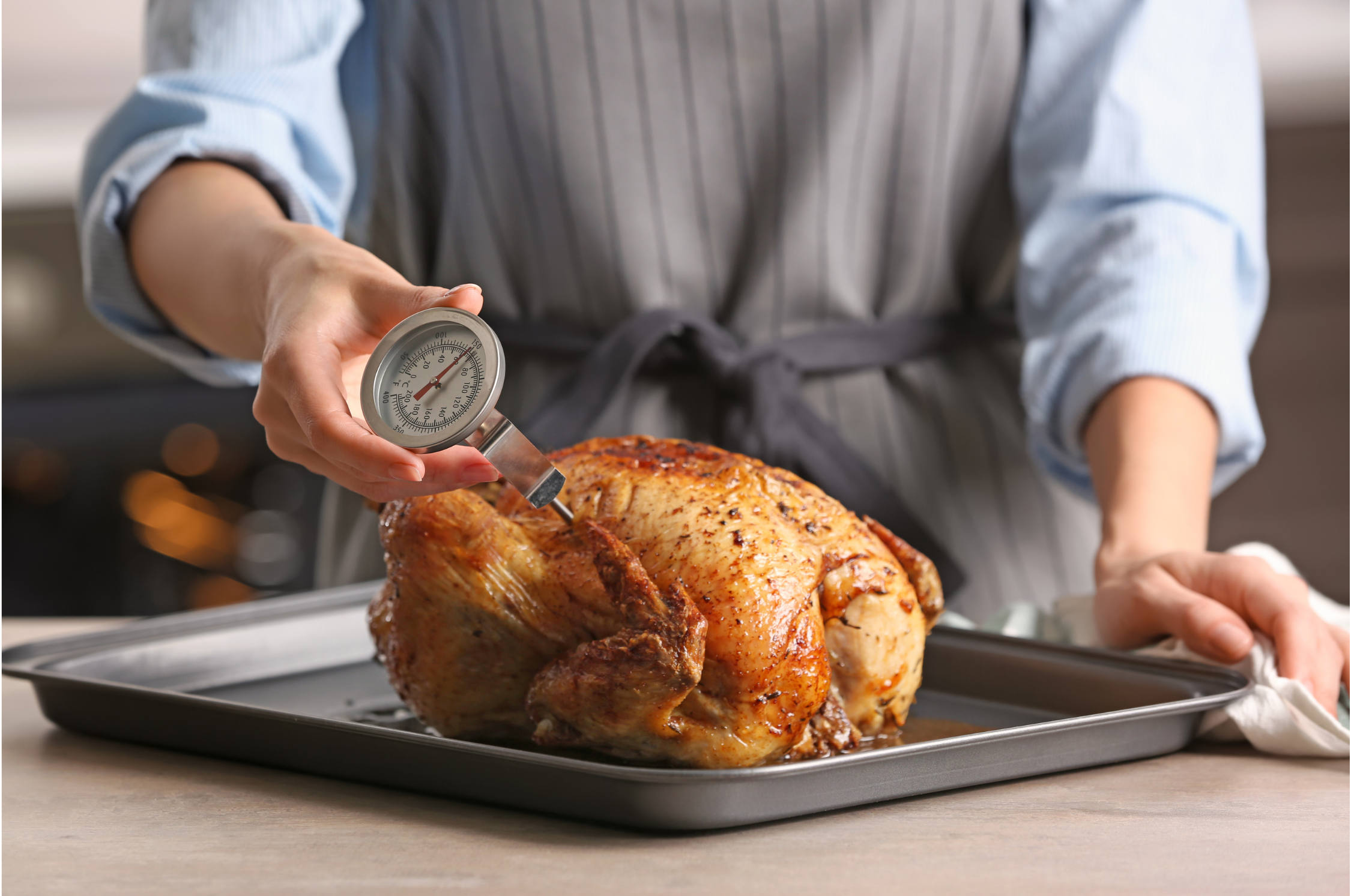
● Use a food thermometer correctly to check internal temperatures.
● Understand the importance of time and temperature control for food safety.
● Prevent cross-contamination when checking and handling cooked foods.
● Recognize the risks of undercooked food and how to mitigate them.
From Raw to Ready!
● Always use a calibrated food thermometer to verify temperatures.
● 165°F for 15 seconds: Poultry (chicken, turkey, duck), stuffed meats, stuffing containing meat, casseroles, and reheated leftovers.
● 155°F for 17 seconds: Ground meats (beef, pork), injected meats, mechanically tenderized meats, ground seafood, and shell eggs for hot holding.
● 145°F for 15 seconds: Whole cuts of beef, pork, veal, and lamb; seafood (fish, shellfish, crustaceans); shell eggs cooked to order.
● 145°F for 4 minutes: Roasts of beef, pork, veal, and lamb.
● 135°F: Fruits, vegetables, grains, and legumes that will be hot-held for service.
Take Action!
Trainer’s Note: Look over the following activities and select the ones that best suit your team’s needs. Modify them as necessary to ensure effective learning.
Guess the Temp!
Show different food items and ask employees to guess the correct internal temperature. Reveal the correct answers using an FDA Model Food Code chart. Discuss why each temperature is necessary.
For extra fun, toss a beanie baby that represents that food to the worker. For example, if you have a cow, then toss them a cow and ask: “What is the correct temperature to cook ground beef?” or “What is the correct temperature to cook steak?” You would need a small collection of them including cows, eggs, fish, ostrich, chicken, turkey, duck, pig, lobster, and crab. Utilize this free chart for help with this activity.
Thermometer Accuracy Check
Provide different types of food thermometers. Then demonstrate how to calibrate and use them correctly. Have employees practice checking the temperature of various foods. Check out this free download. Print out these two posters and laminate them for your facility to help your employees remember how to correctly calibrate their thermometers.
You could also view a video like this one on the steps to properly calibrate a thermometer. There are a number of videos to select from.
Cooking Temperature Role-Play
Assign roles: cook, manager, and food inspector. Have the “cook” prepare an imaginary meal while the “manager” verifies safe cooking temps. The “inspector” checks if the process follows guidelines and gives feedback.
Hands-on Cooking Demonstration
Cook a small batch of food at different temperatures. Use a thermometer to verify the correct temperatures. Discuss the importance of holding times and avoiding cross-contamination.
Food Safety Quiz
Create a quiz with multiple-choice questions about cooking temps and food safety practices. Discuss answers and provide explanations for common misconceptions.
Click here for a sample food safety quiz concerning cooking temps from ServSafe.
Poster Contest
Have a poster contest among your employees to create posters to place by the oven that list the items on your menu and the correct temperature to cook each food item.
Keep it Going!
Note: This section is for the manager or trainer to use to ensure that the lesson is being followed.
● Observe and provide feedback on how employees check food temperatures.
● Reinforce correct thermometer usage through daily kitchen checks.
● Hold periodic refresher training and discussions on food safety.
● Post FDA cooking temperature charts in food prep areas.
● Encourage employees to report any temperature violations or unsafe food handling practices.
By following proper cooking temperatures and time guidelines, you play a crucial role in keeping food safe and protecting customers from foodborne illness. Thank you for your commitment to food safety and excellence in your establishment!
If you would like a special training session for your workers on this or any topic, please contact TSC Associates. TSC Associates is your one-stop destination for ServSafe® training and certification. Our courses are designed to help you meet the industry standards for food safety and responsible alcohol service. Join us today and take the first step toward a successful career in the food and hospitality industry anywhere in the country.
Created by Beth Brewer, TSC Associates LLC
Resources
1. FDA Model Food Code
2. USDA Safe Minimum Internal Temperatures Chart
3. ServSafe Cooking Temperatures Guide
4. Thermometer Calibration Instructions
5. Free calibration posters that can be downloaded
6. Food Docs: A great resource for posters, charts and information on food safety